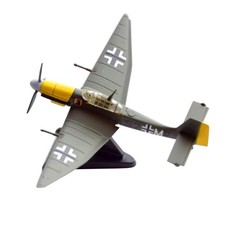
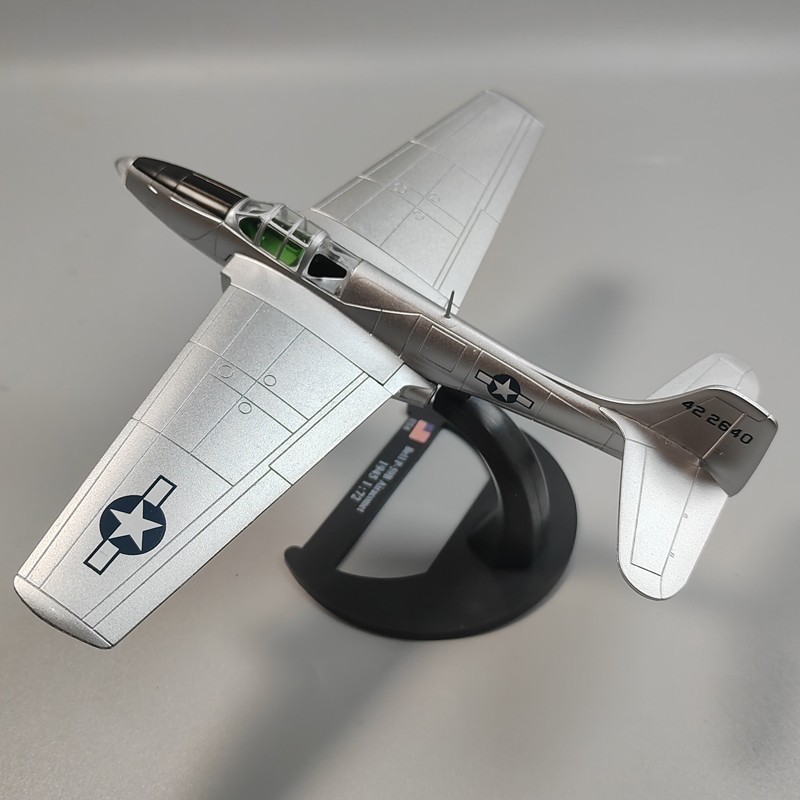
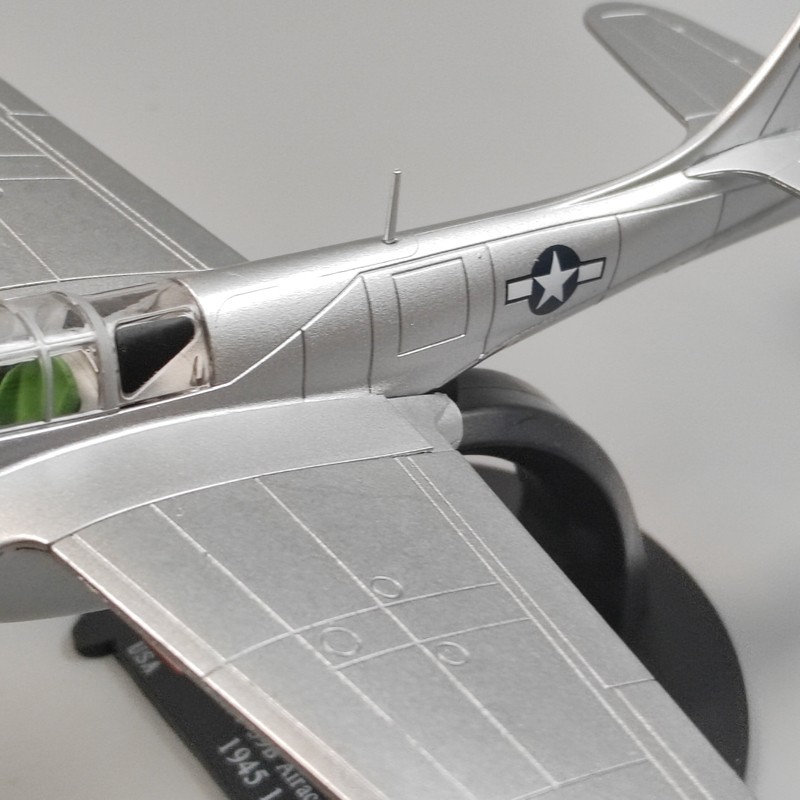
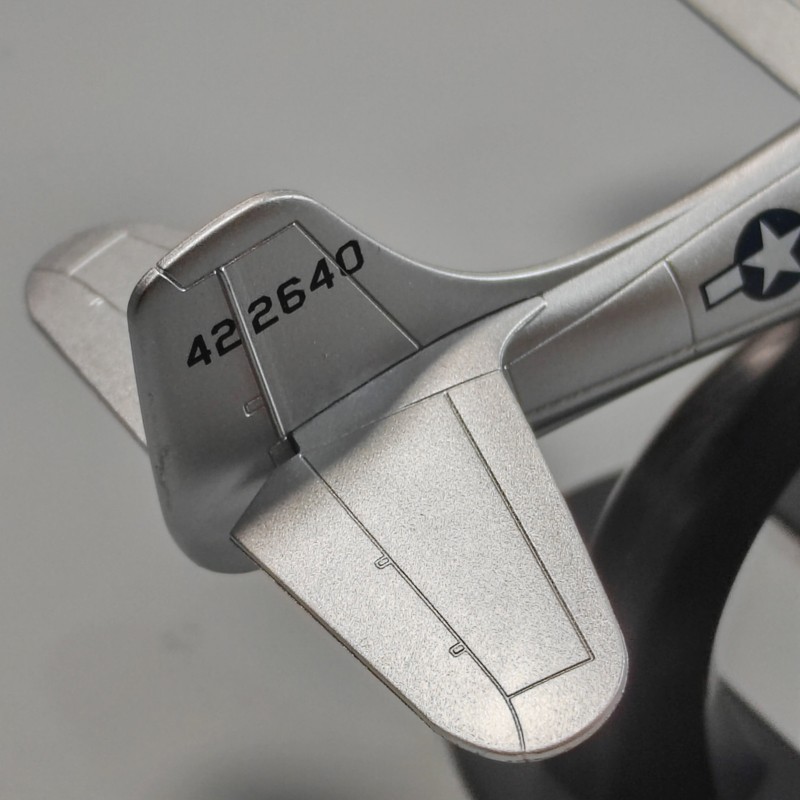
1:72 WWII USA Bell P-59B Airacomet Jet Fighter Model Diecast Military Collection
Check the listing for details.






| Location | guang dong CN |
| Shipping | Free shipping (check listing for details) |
| Seller |
szylwei
100.0% positive · 424 feedback
|
| Listing | FixedPrice · Active |
| Start time | 2026-03-12T00:00:01.000Z |
| Autographed | No |
| Color | Silver |
| Vehicle Make | BELL |
| Vehicle Type | Military Airplane |
| Scale | 1:72 |
| Material | Diecast |
| Age Level | 12-16 Years, 17 Years & Up |
| Year of Manufacture | 2026 |
| Brand | AMER |
| Aircraft Family | P-59 |
| Model | Bell P-59 Airacomet |
| Theme | Military Collection |
| Recommended Age Range | 14 years old and above |
| Vehicle Year | 1945 |
| Features | Unopened Box, With Stand |
| Country of Origin | China |
| Character Family | WWII |
Brand:AMER(New in box)Model name: USAAF Bell P-59B AiracometApplication: Collection,Souvenir Gift, Home Office Decoration,Educational,Model Age Range: > 14 years old Type: Static finished model Material: Zinc alloy,plastic Scale: 1:72 Size: approx 16cm(L) * 19.2cm(W)/6.3inch(L) * 7.6inch(W)Package:Aircraft model,Display stand,Original boxOverviewThe Bell P-59 Airacomet holds the distinction of being the first American jet aircraft to become operational, though it never saw combat. Its development was initiated after General Hap Arnold of the U.S. Army Air Forces witnessed Britain's progress with jet technology during World War II. The project was so secret that early prototypes were fitted with dummy propellers to disguise their true nature during ground handling.While its performance ultimately proved inferior to the best propeller-driven fighters of its time, the P-59 was not a failure. It served a vital role as a trainer, introducing a generation of American pilots to the unique characteristics of jet-powered flight and paving the way for more advanced designs.Design and ChallengesThe aircraft's most distinctive feature was its engine placement. The two General Electric J31 turbojets were housed in long nacelles positioned under the wing roots, close to the fuselage. This design was dictated by the need to keep intake and exhaust ducts short, minimizing power loss.However, the P-59 faced significant performance hurdles:Underpowered: The J31 engines, while revolutionary, produced relatively low thrust. Combined with a conventional and somewhat heavy airframe, the aircraft was seriously underpowered.Poor High-Speed Handling: Test pilots found that above 290 mph, the aircraft suffered from poor stability, making it an unstable gun platform.Outclassed: In flight trials against fighters like the P-51 Mustang and P-47 Thunderbolt, the P-59 was consistently outperformed in acceleration, climb rate, and maneuverability.LegacyDue to its disappointing performance, the USAAF canceled a large portion of its initial order. Only 20 P-59As and 30 P-59Bs were ever built. Most of the P-59Bs were assigned to the 412th Fighter Group, where their primary mission was to train pilots in the fundamentals of jet handling, such as high-altitude operations and managing jet engine throttle response.Though it never fired a shot in anger, the P-59 Airacomet's legacy is secure. It was the necessary first step that proved the concept of jet combat aircraft to the American military, directly leading to successful and powerful jets like the Lockheed P-80 Shooting Star. Today, a handful of P-59s survive in museums, silent testaments to the very beginning of the American jet age.