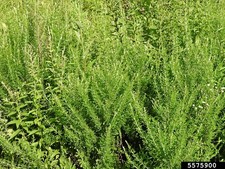
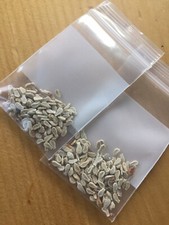
100 Milkweed Seeds- Attract Monarch Butterflies-Native Wildflower-Easy To Grow
Check the listing for details.


| Location | Manhasset US |
| Shipping | Free shipping (check listing for details) |
| Seller |
flowershopinc
98.9% positive · 12678 feedback
|
| Listing | FixedPrice · Active |
| Start time | 2025-07-30T15:04:52.000Z |
| Climate | Cold, Sub-tropical, Temperate, Tropical |
| Germination Ease | Cold Stratification 4 weeks |
| Common Name | Milkweed, Silky Swallow-Wort, Virginia Silkweed |
| Indoor/Outdoor | Outdoor |
| Color | Pinkish Purple, White |
| Growth Habit | Clumping |
| USDA Hardiness Zone (°F) | Zones 2-8 |
| Plant Habit | Clump-forming |
| Soil Type | Clay, Loam, Peat, Sand |
| Brand | Unbranded |
| Soil pH | 4.8 - 6.8 |
| Season of Interest | Fall, Spring, Summer |
| Type | Flower Seeds |
| Watering | Medium |
| Life Cycle | Perennial |
| Genus | Asclepias syriaca |
| Sunlight | Full Sun |
| Features | Monarch Butterly Food Source |
| Cultivating Difficulty | Easy |
| Country/Region of Manufacture | United States |
| Species | Milkweed, Butterfly Flower, Silkweed |
Buy 2 or more packets of mix and match seeds and get a free packet of seeds.If there’s one plant to work into your landscape, it’s milkweed. Native to North America, different milkweed varieties aren’t only beautiful, but they help support a wide variety of pollinators required for a healthy food chain that humans depend on.It also serves as a lifeline for monarch butterflies, an iconic North American insect that’s in deep trouble throughout the United States due to toxic pesticide use, climate change and devastating habitat loss.Although some people view milkweed as a, well, “weed,” the truth is it provides more ecological services to humans compared to many common non-native plant species that originated in other countries.With that in mind, growing milkweed in your yard and promoting plantings in your community’s housing developments, playgrounds, parks, school properties and roadside areas is more important than ever because so much is at stake.What Is Milkweed?Common milkweed, or Asclepias syriaca, includes over 100 species in North America. It’s a flowering perennial that produces a milky substance that contains cardiac glycosides.Although the plant often goes unnoticed, growing in fields, among wildflower gardens and along roadsides, it was actually used by Native Americans to treat health issues like coughs, asthma and warts.This plant can grow to be five feet tall, and it grows clusters of flowers that are typically shades of pink and purple.Common milkweed is known as nature’s mega food for over 400 insects. If you see it growing on a piece of property, you likely see bees, caterpillars, butterflies, beetles and ants there too.Benefits/UsesFor many, planting milkweed makes for a beautiful addition to the garden in its own right, producing some of the most complex flowers in the animal kingdom, but its benefits go far beyond the plant’s appearance.Historically, it was used as a natural remedy by some Native American tribes. An article from “The Old Farmer’s Almanac” highlights that the plant was used to remove warts, treat dysentery and relieve respiratory issues, like cough and asthma.For modern purposes, milkweed has the following uses and benefits:Benefits/UsesFor many, planting milkweed makes for a beautiful addition to the garden in its own right, producing some of the most complex flowers in the animal kingdom, but its benefits go far beyond the plant’s appearance.Historically, it was used as a natural remedy by some Native American tribes. An article from “The Old Farmer’s Almanac” highlights that the plant was used to remove warts, treat dysentery and relieve respiratory issues, like cough and asthma.For modern purposes, milkweed has the following uses and benefits:1. Improves BiodiversityBecause the relationship between caterpillars, butterflies, monarch migration and milkweed is such a complex issue, it sometimes feels like it’s out of our control. Nothing could be further from the truth!Milkweed works to build stronger biodiversity in your neighborhood and beyond, and it has several other benefits, too.2. Provides Pest Control, Including Stink BugsMilkweed actually has the power to make your life easier in the garden. A Washington State University study investigating the pest-control aspects of the plant turned up some really interesting findings:It is a cheap and simple way to support pollinator health and to get pests under control.Native milkweed plants attract beneficial insects like parasitic wasps, carnivorous flies and predatory bugs that suppress common pests like aphids, leafhoppers, thrips and even stink bugsAnother recent study highlighted a Georgia peanut farm that successfully used milkweed plantings to increase Tachinid fly numbers. Why would you want these insects? They act as parasites to pesky stink bugs, offering inexpensive, chemical-free pest control.3. Helps Clean ContaminantsThe “silk” found in milkweed pods is often utilized to help absorb contaminants during oil spills.Interestingly, the seed pod fibers absorb more than four times the amount of oil compared to the plastic-based materials currently used during oil spill cleanup projects. Encore3, a Canadian company, created milkweed fiber-based kits that absorb 53 gallons of oil at a rate of gallons per minute.How does that cleanup rate compare to the polypropylene products on the market? It sponges up spilled oil twice as fast.How to GrowThe landscape in the United States today is much different than the biologically diverse terrain Native Americans foraged on centuries ago. In the present-day U.S., the stray milkweed plants that once grew in and around farm fields and wildflower meadows have been annihilated by chemical pesticides.In just the last two decades, we’ve seen a nearly 90 percent decline in monarch populations, and a team of U.S. researchers identified glyphosate as one of the main driving factors.This is why consciously planting milkweed has become so important, on top of avoiding the use of chemical pesticides and herbicides on your property. Planting native species makes your garden the site of birds, bees and other creatures that thrive in this natural habitat.You can plant milkweed species directly in soil or start them from milkweed seeds by scattering them about half an inch under soil surface and covering them. Planting milkweed in the fall is ideal, but you can also plant it in the springtime.The plants prefer sunny areas, and because they’re native, they can adapt well to drier conditionsFlorist and greenhouse situated in Long Island, New York. Been in business for 25 years and counting